Overview of Lesson:
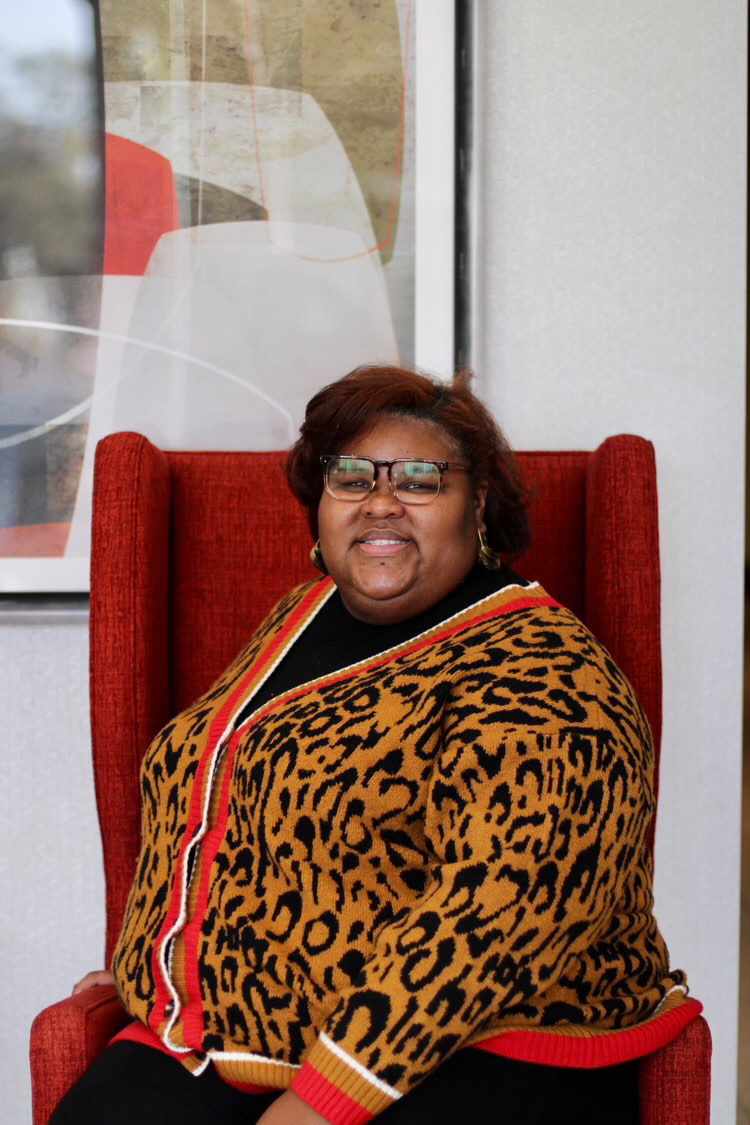
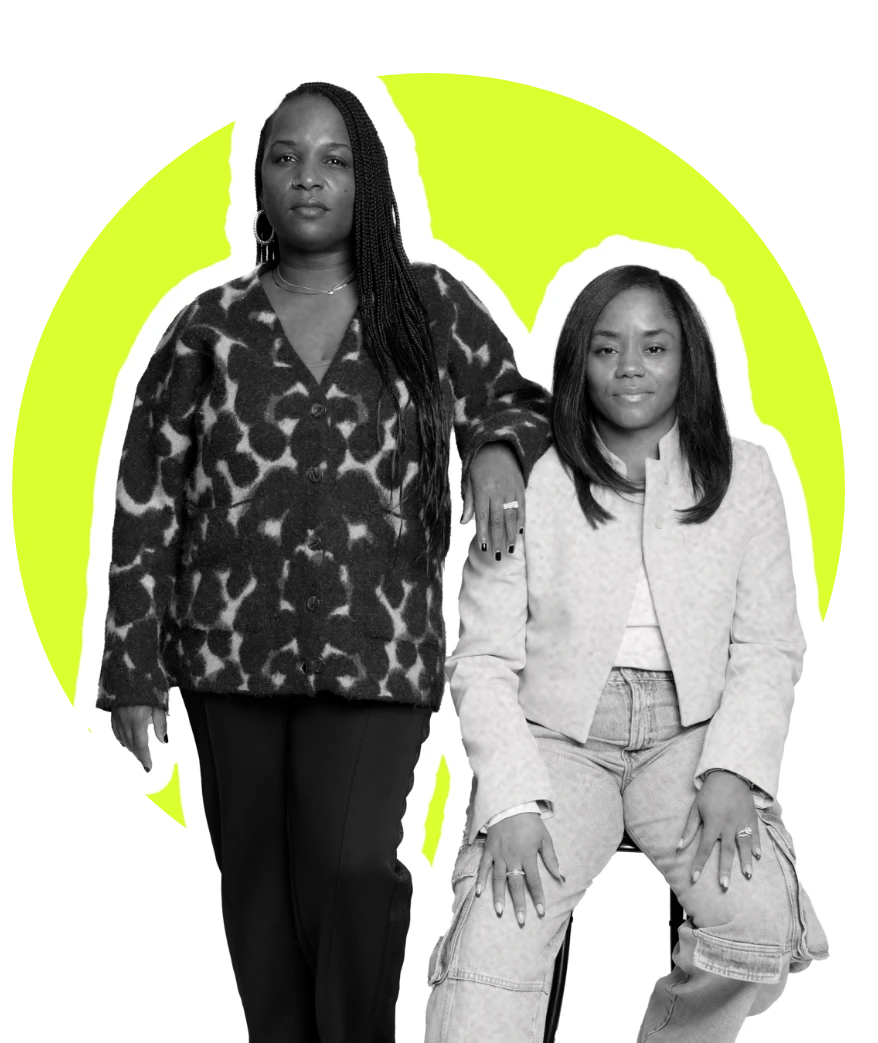
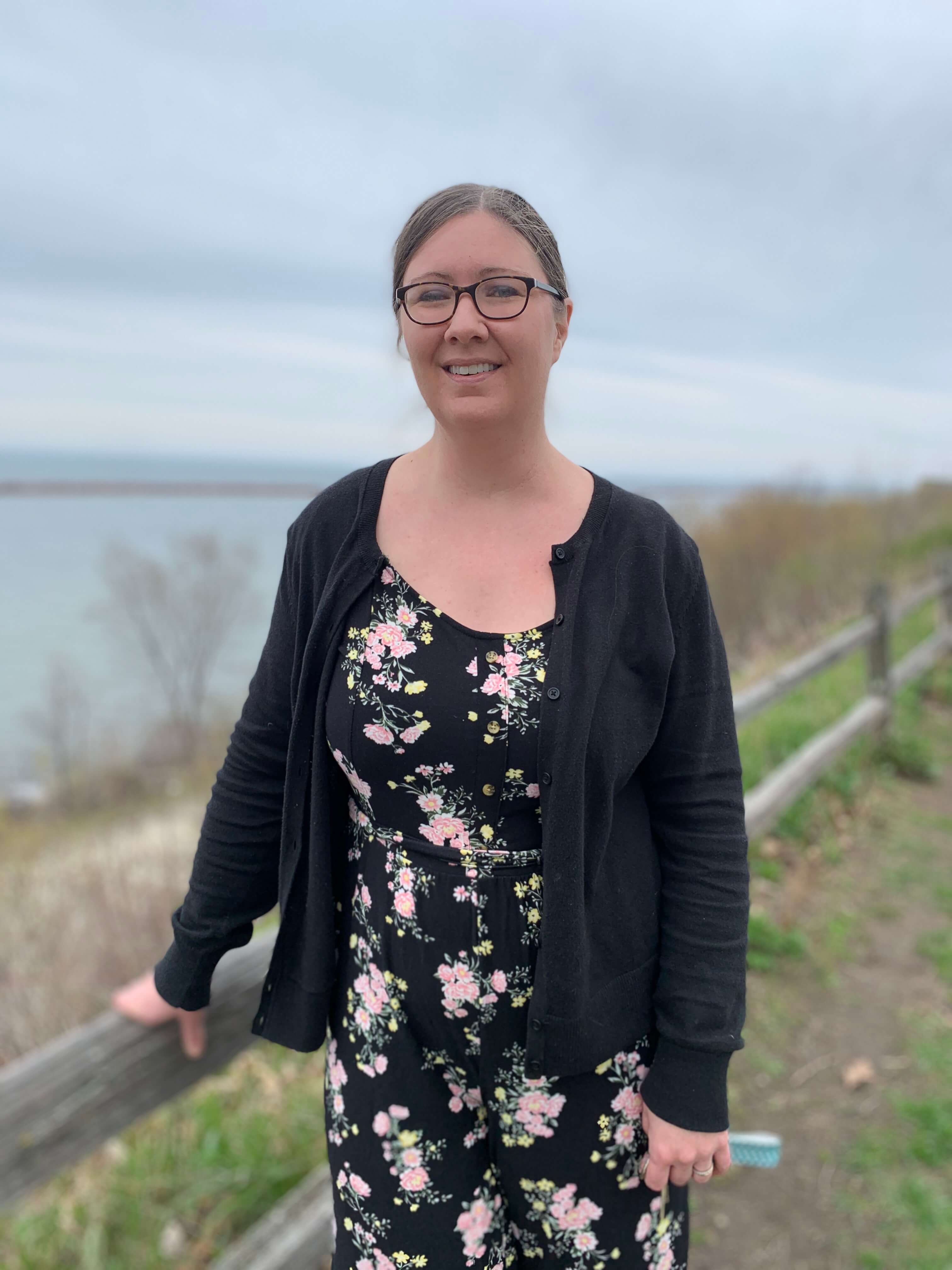
Dr. Nina F. Weisling is an Associate Professor and Department Chair at Carthage College (Kenosha, WI). Nina holds a Ph.D. in Special Education (University of Illinois at Chicago), an M.S. in Elementary Education (St. Joseph’s University, Philadelphia, PA), and a B.A. in Health Care Policy (Lawrence University, Appleton, WI). She teaches special education, math methods, and inclusive practices. Prior to working in higher education, Nina worked as a middle school special and general educator in Chicago and Philadelphia, and then an early-career instructional coach in public and charter schools in Chicago.
Brittany L. Marshall is a mathematics teacher whose research focuses on traditional math logics (TML) that exclude students from intentionally-neglected communities. Her work seeks to help teachers examine their own experiences with TML to disrupt them by creating enriching equity based experiences for their future students. She earned her Ph.D. in mathematics education from Rutgers. Brittany also taught K-12 mathematics in the community she grew up in on the southside of Chicago. Brittany holds architecture degrees from NCSU and UIUC. When she is not teaching or learning, you can find Brittany exploring cities, trying new cuisines, or relaxing.
Author: Dr. Nina F. Weisling, Brittany Marshall, Rolonda Payne
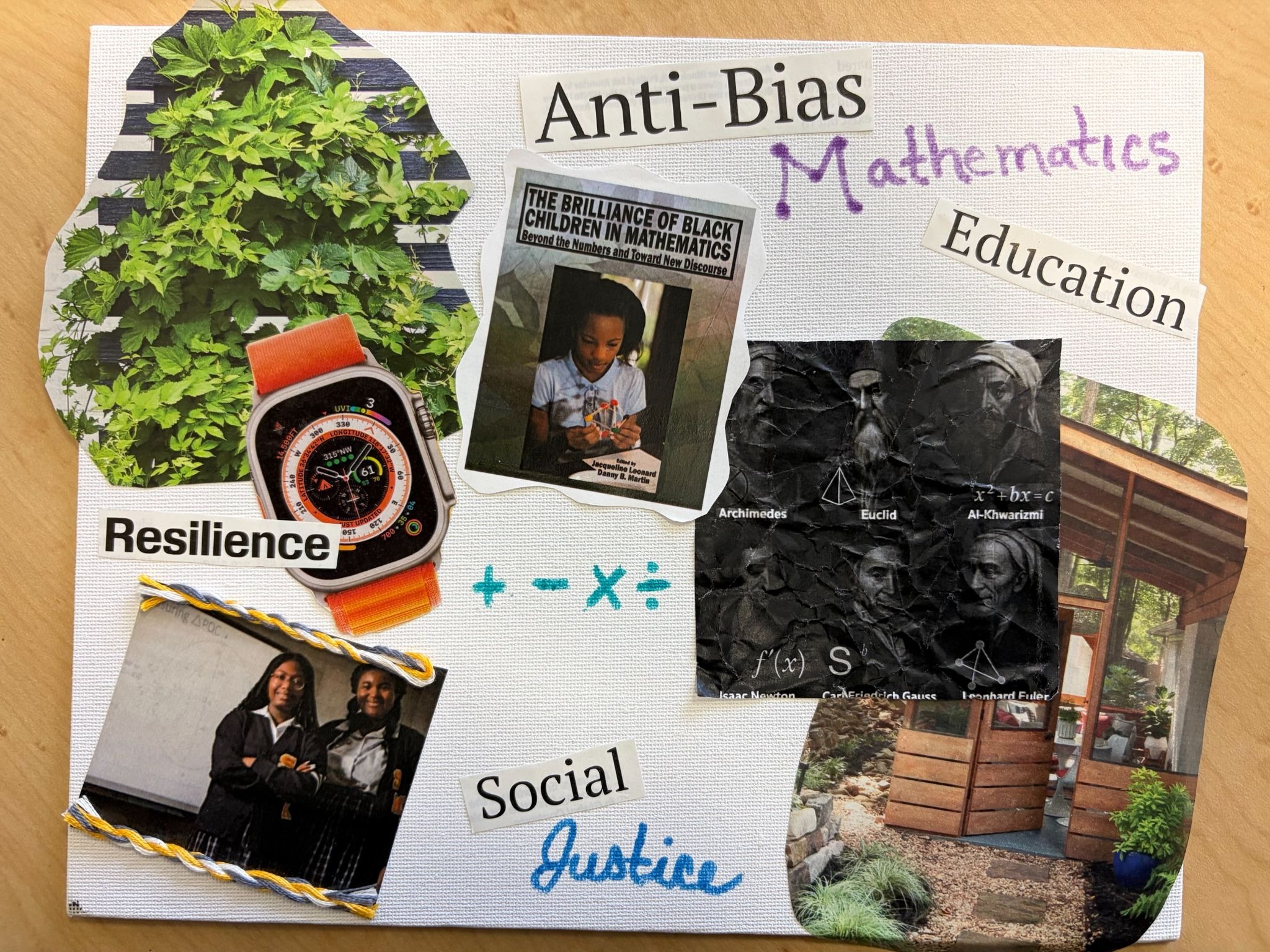
Student Work
Lesson Plan
Given (links to) case studies from the Library of Congress Born in Slavery: Slave Narratives from the Federal Writers’ Project, 1936 to 1938 teacher candidates/future teachers will work in groups with different sets of readings to:
- Identify methods by which enslaved or formerly enslaved people learned and lived math, and
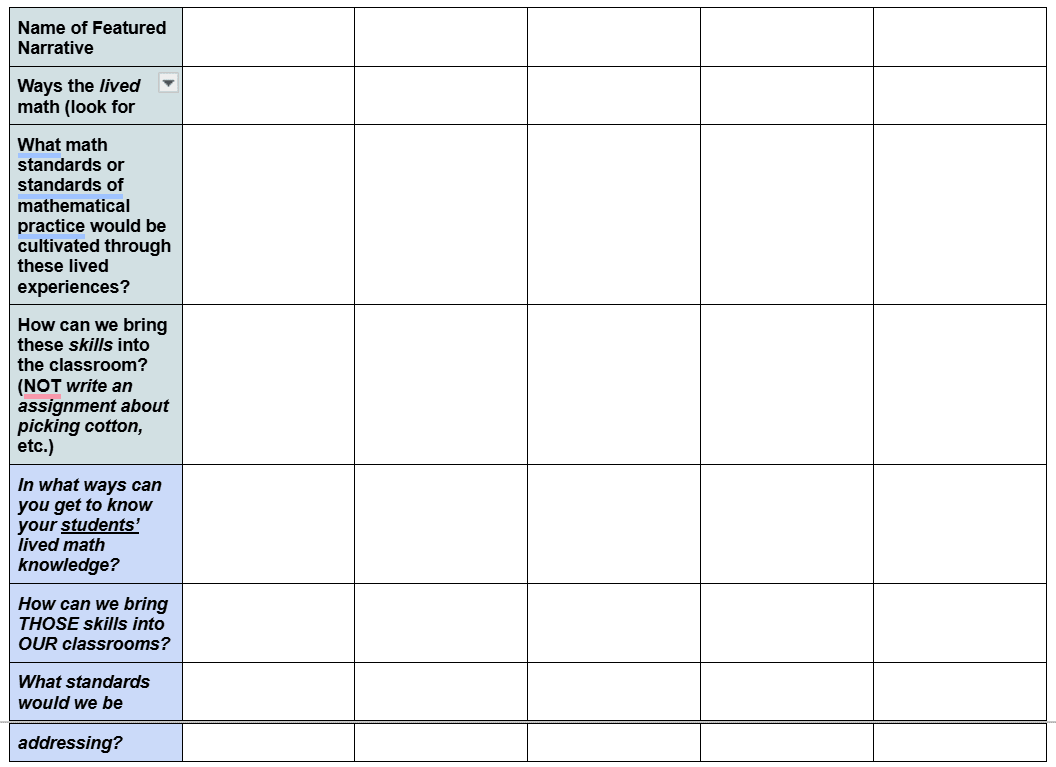
- Define the “lived” math, explaining how the skills learned could be brought into a classroom, and connected to grade level standards.
Library of Congress Resources:
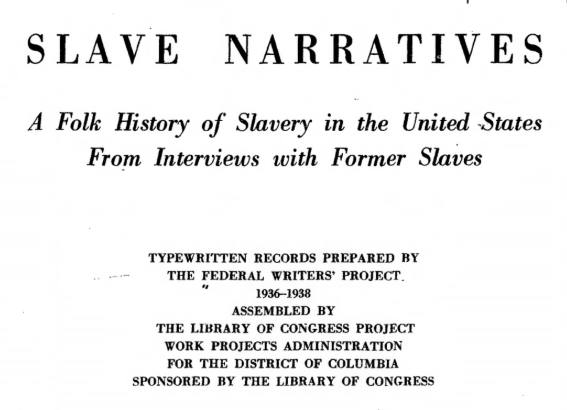
Born in Slavery: Slave Narratives from the Federal Writers’ Project, 1936 to 1938
This LOC resource is a compilation “more than 2,300 first-person accounts of slavery and 500 black-and-white photographs of former slaves…. collected in the 1930s as part of the Federal Writers’ Project (FWP) of the Works Progress Administration….
At the conclusion of the Slave Narrative project, a set of edited transcripts was assembled and microfilmed in 1941 as the seventeen-volume Slave Narratives: A Folk History of Slavery in the United States from Interviews with Former Slaves….
The published volumes containing edited slave narratives are arranged alphabetically by the state in which the interviews took place and thereunder by the surname of the informant.”
Instructor Process:
- Select collections/volumes from a variety of states
- If possible, select an even number from states that identified with the Union and Confederacy.
- From each, select 3-5 cases minimum.
- Consider not only mentions of lived math (occupation, etc.) but perspectives of the institution of slavery as well (try to avoid what some might weaponize as “Devil’s Advocate” in the future). For example:
- EXAMPLE: Group 1: (Georgia).
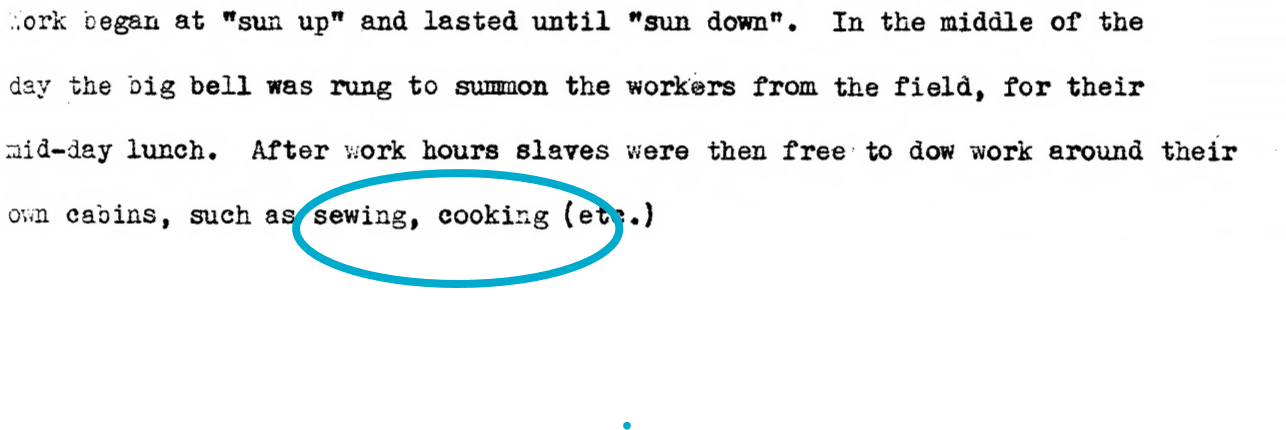
- Rachel Adams (pgs. 5-12; sewing, cooking, mention of learning to read…)
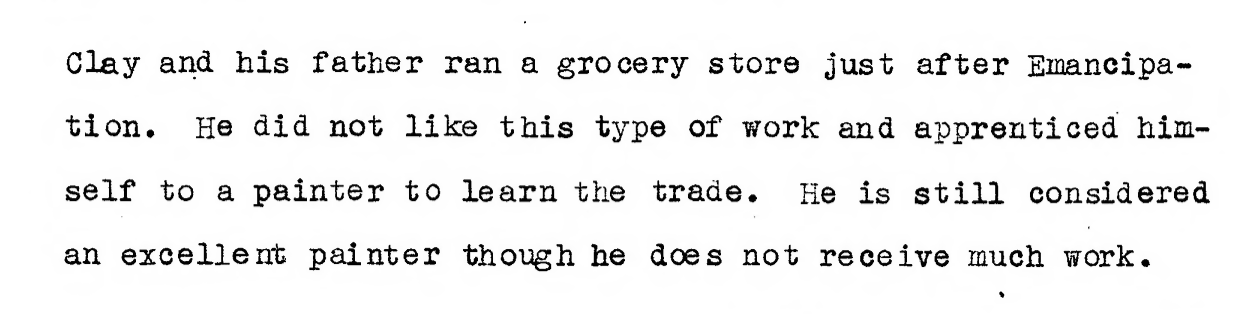
- Rev. W. B. Allen (pgs. – 13-20; updated notes ONLY – his dad was VERY good at figures!),
- Hannah Austin (pgs. 23-25 ; cooking, clothing, Storers School)
- Mose Davis (pgs. 274-281 – carpenters, blacksmiths, ban on formal learning, etc.)
To find additional case studies within different “state” selections, consider beginning with these keyword searches and then read those cases to determine appropriateness for this task:
- Figure/s
- Number/s
- Count/ing
- Carpenter/ry
- Seamstress/sewing
- Learn/ing
- Cipher/cypher
Instruction for Task(s):
- Pre-lesson Instructor Steps:
- Read through different compilations of the Born in Slavery: Slave Narratives from the Federal Writers’ Project, 1936 to 1938 consider the learning outcomes and select 3-5 “case studies” from each – be careful to read the full narrative and ensure that lived math is the focus of your selections.
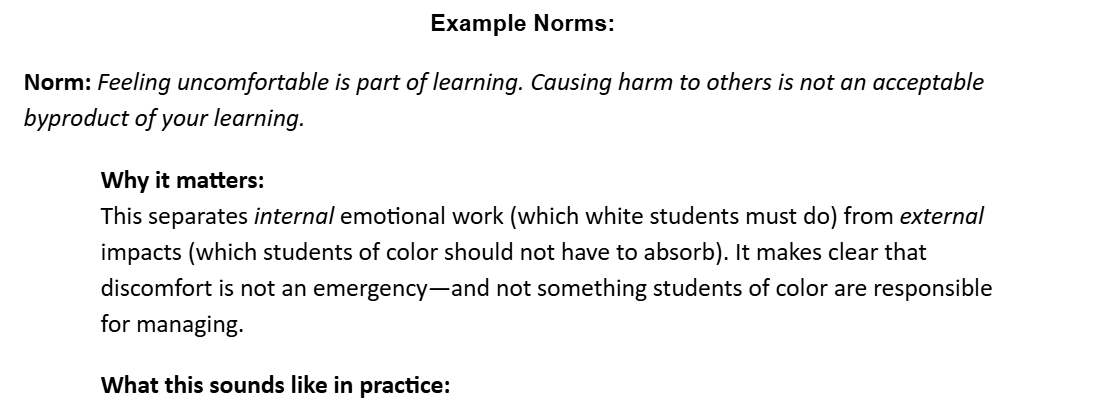
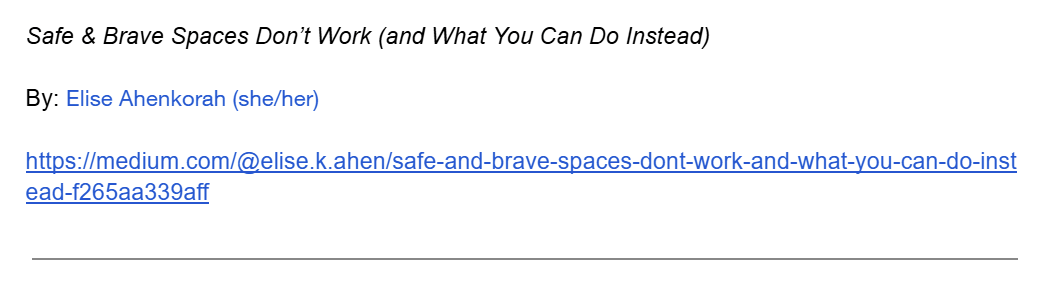
- Make sure previous lessons have focused on building brave spaces for all and that the class has normed around discomfort vs. danger, cultural humility vs. fragility, equity of voice vs. tokenism/spokespersonism, etc. Resources for norming can be found here.
- Lesson Steps:
- Put students into roughly equal-sized groups.
- Give them links to the Born in Slavery: Slave Narratives from the Federal Writers’ Project, 1936 to 1938 and clear directions on which set they are to access and which narratives within (e.g. “Georgia Narratives, Rachel Adams (pgs. 5-12), etc.)
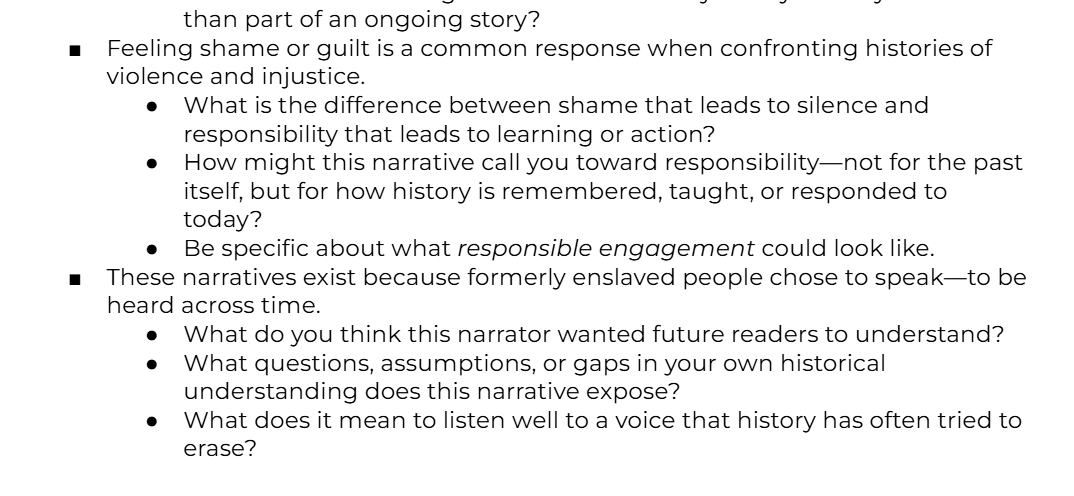
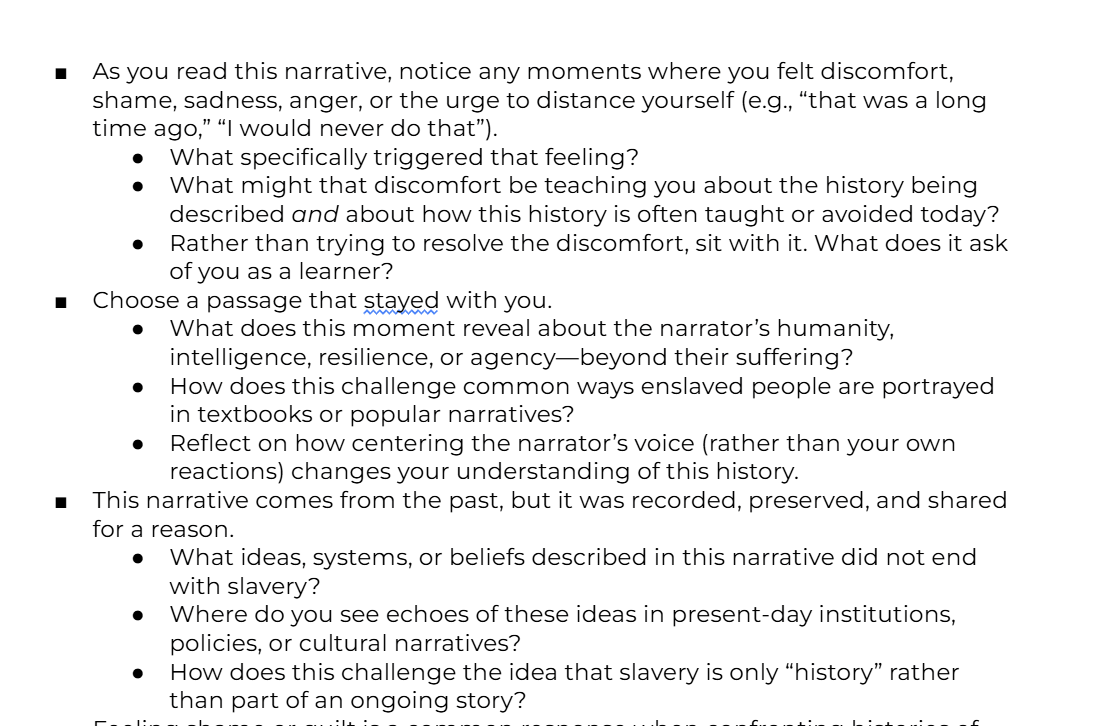
- SUGGESTED: Give students time to read and respond, talking to the text using strategic prompts, ahead of time. Remind them: Discomfort is not a sign that you’re doing this wrong—it’s often a sign that you’re learning something that challenges inherited stories. The goal is not to feel good or to feel absolved, but to understand more deeply and responsibly. Suggested prompts can be found here.
- Have students/future teachers complete this graphic organizer
- Debrief as a group