Overview of Lesson:
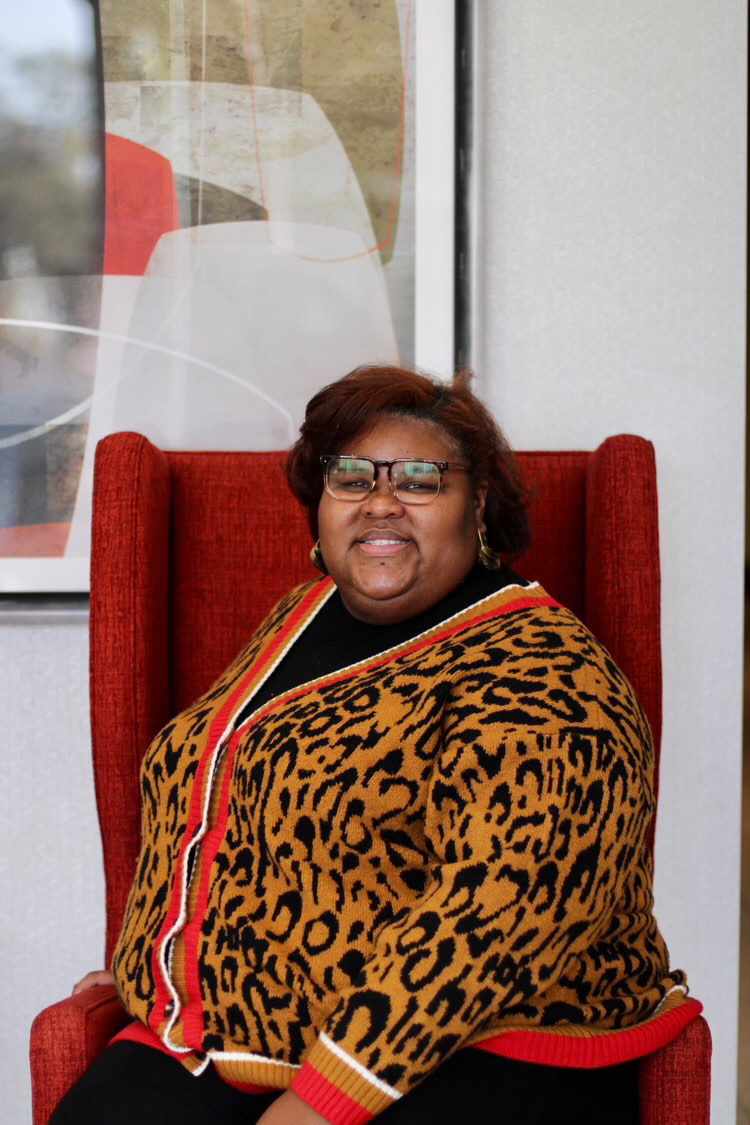
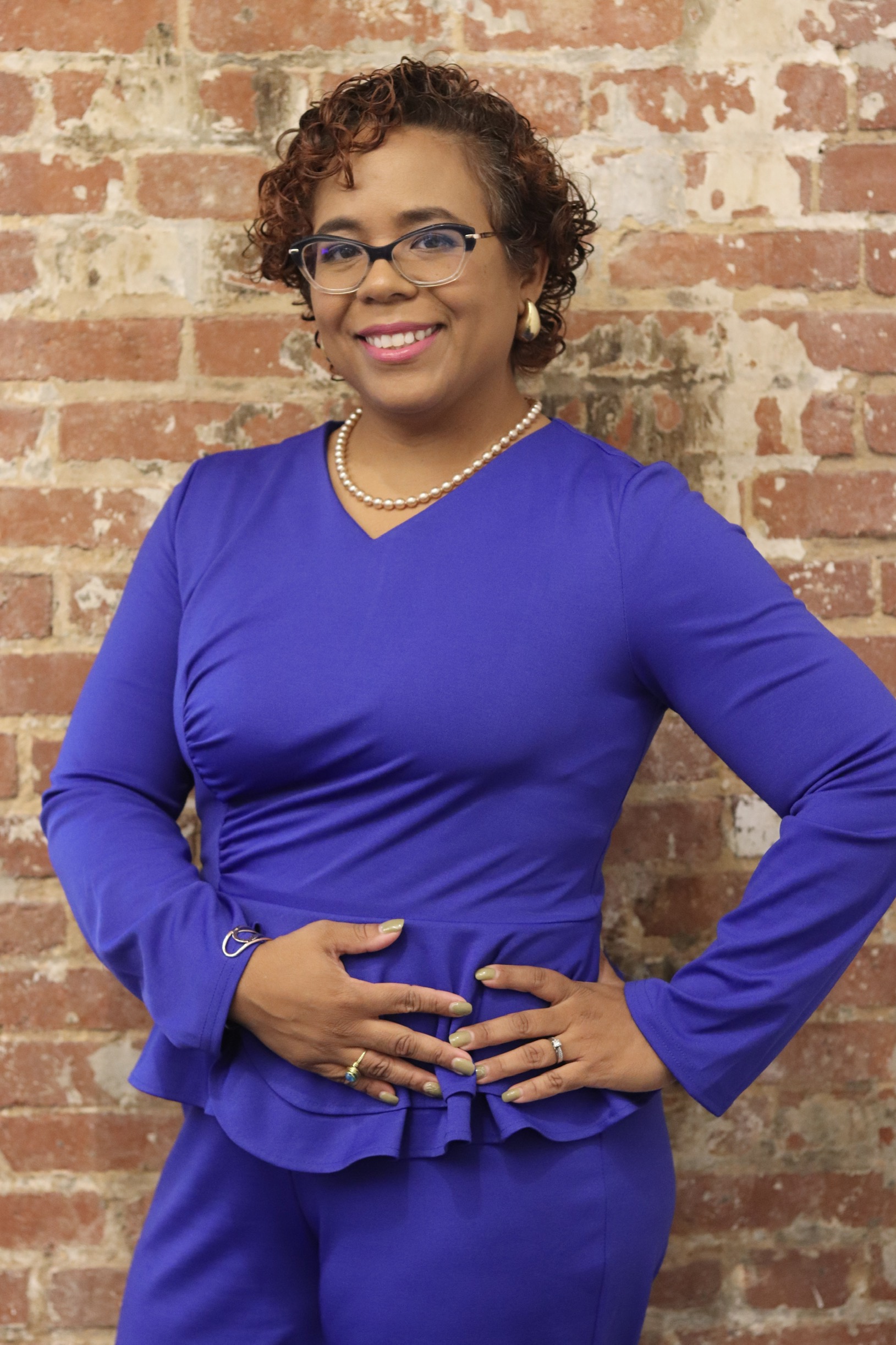
Dr. Elizabeth Holliday Morgan, is a passionate educator, researcher, and advocate for disability rights and inclusion, is committed to empowering BIPOC mothers and ensuring equitable access to services for their children. Her dedication began during her tenure as a K-12 teacher and administrator.
As an Associate Professor in the Morgan State University in the Department of Advanced Studies, Leadership, and Policy with affiliation to the National Center for the Elimination of Educational Disparities (NCEED). Dr. Morgan strives to amplify marginalized voices through impactful community-based applied research projects and to prepare the next generation of educational leaders and disability rights advocates.
Author: Elizabeth Morgan
Student Work
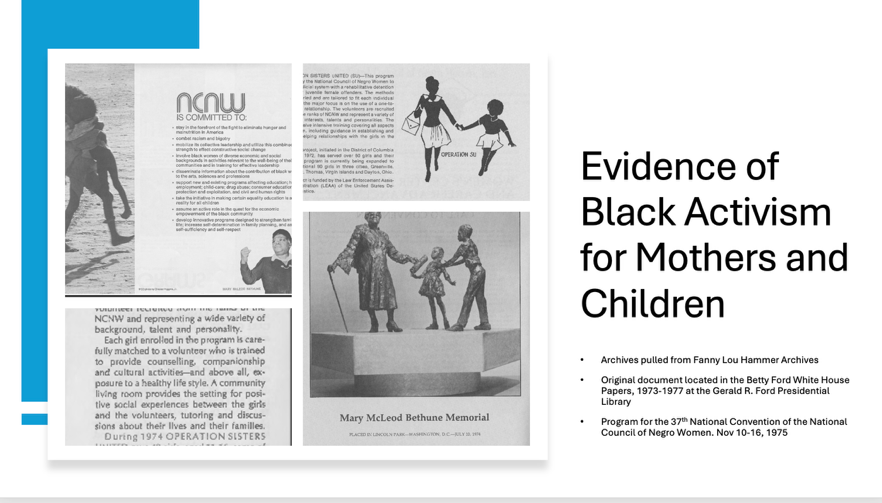
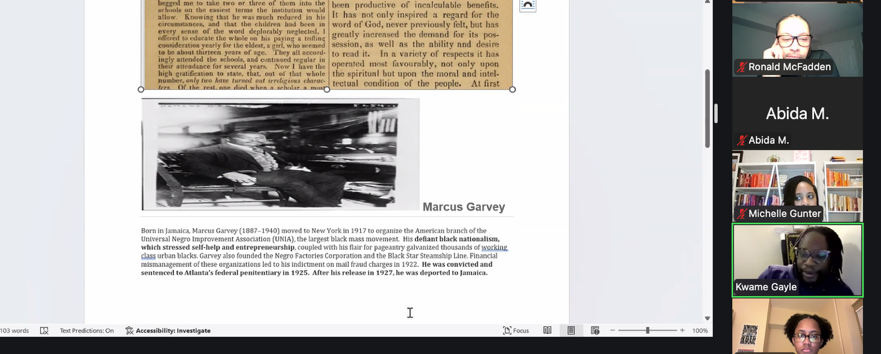
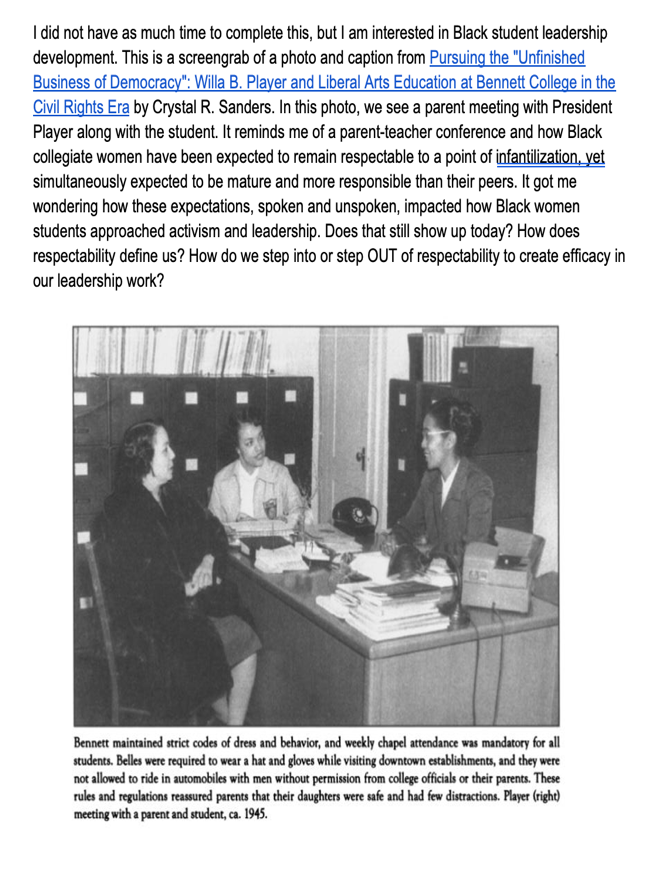
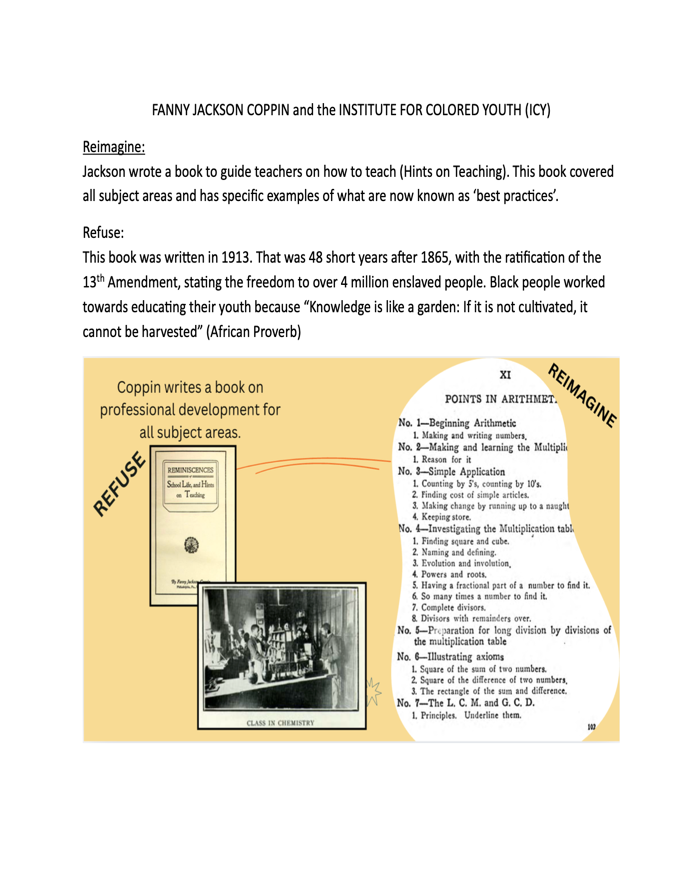
Lesson Plan
- In this lesson, doctoral students engage in guided inquiry using online, open-access archives from the Library of Congress to examine a topic of interest related to P–20 educational systems for Black people, as well as the historical policies and practices that have shaped the educational experiences of Black students and families. Students learn to identify and analyze evidence of how Black communities have sought to reimagine, refuse, and resist anti-Black educational structures, and to make explicit connections to theory and current practice in schools.
- Through structured exploration of archival materials, students connect historical inquiry to doctoral-level research practices by examining how archival evidence can inform literature reviews and support the analysis and triangulation of interview and narrative data. Students are taught strategies for locating, evaluating, and analyzing artifacts related to Black education in ways that deepen theoretical grounding and strengthen empirical claims in their dissertations.
- As a culminating in-class activity, students produce an original artifact (e.g., visual, oral, or kinesthetic representation) that synthesizes their archival findings. Students then share and discuss their artifacts in small-group presentations, fostering collaborative meaning-making and collective reflection on how historical insights can inform contemporary educational research and praxis.
Library of Congress Resources:
- Primary Source:
- Library of Congress African American Digital Archives:
- Secondary Sources:
- African American History Online:
- African-American History and Culture
- National Archives: African American Heritage (Topics covered: American Slavery & International Slave Trade; Migrations; World War I; Voting Rights; Black Power)
- National Archives: People in Black History
Instruction for Task(s):
Step 1: Choose a Focus Topic
- Select a topic related to P–20 education for Black people
- Connect it loosely to your dissertation interests (policy, practice, resistance, advocacy, access, etc.)
Step 2: Explore the Archives
- Use Library of Congress open-access archives
- Locate 2–3 primary sources (e.g., photos, letters, newspapers, policies, oral histories)
Step 3: Analyze the Artifacts
- Consider historical context and authorship
- Identify evidence of reimagination, refusal, or resistance
- Note connections to course theories and current educational practice
Step 4: Connect to Your Research
- Reflect on how these sources could:
- Strengthen a literature review
- Support or triangulate interview/narrative data
- Identify at least one concrete research connection
Step 5: Create an Original Artifact
- Synthesize your learning into a representation:
- Visual, oral, kinesthetic, or multimodal
- Highlight key insights and relevance to your research
Step 6: Share & Reflect
- Prepare a 3–5 minute small-group share
- Discuss insights, questions, and implications for educational research and praxis