
Overview of Lesson:
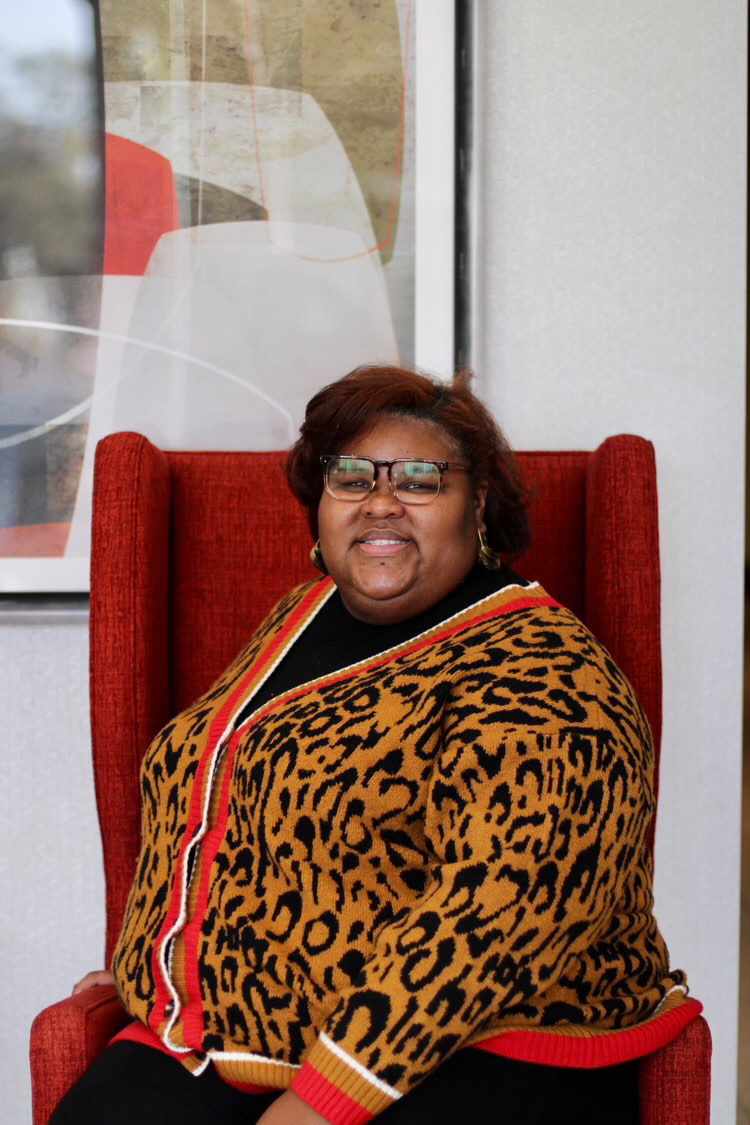
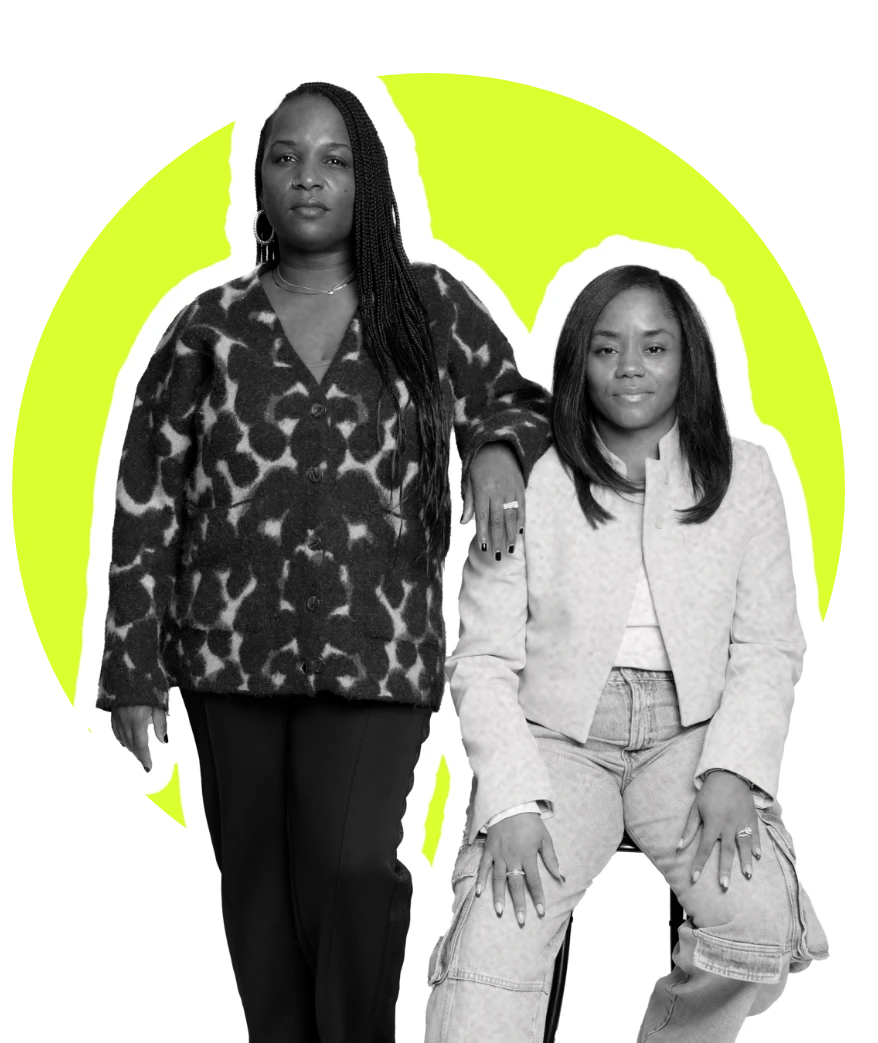
Dr. Brittany C. Powell is an educator, children’s book author, and founder of Read & Represent, a community literacy initiative that brings identity-affirming read-aloud experiences into elementary classrooms. She recently earned her Ph.D. in Education from the University of Delaware, where her research explores the historical roots of Black literacy traditions and community-based approaches to learning. A former elementary teacher and current university instructor, Brittany’s work centers the power of community, culture, and representation in children’s literacy development. Through her research and practice, she works to create spaces where children see themselves reflected in stories and experience the joy of reading.
Author: Dr. Brittany Powell
Student Work
- Student work Folder Link: https://canva.link/fc2u6ioynz43q7q
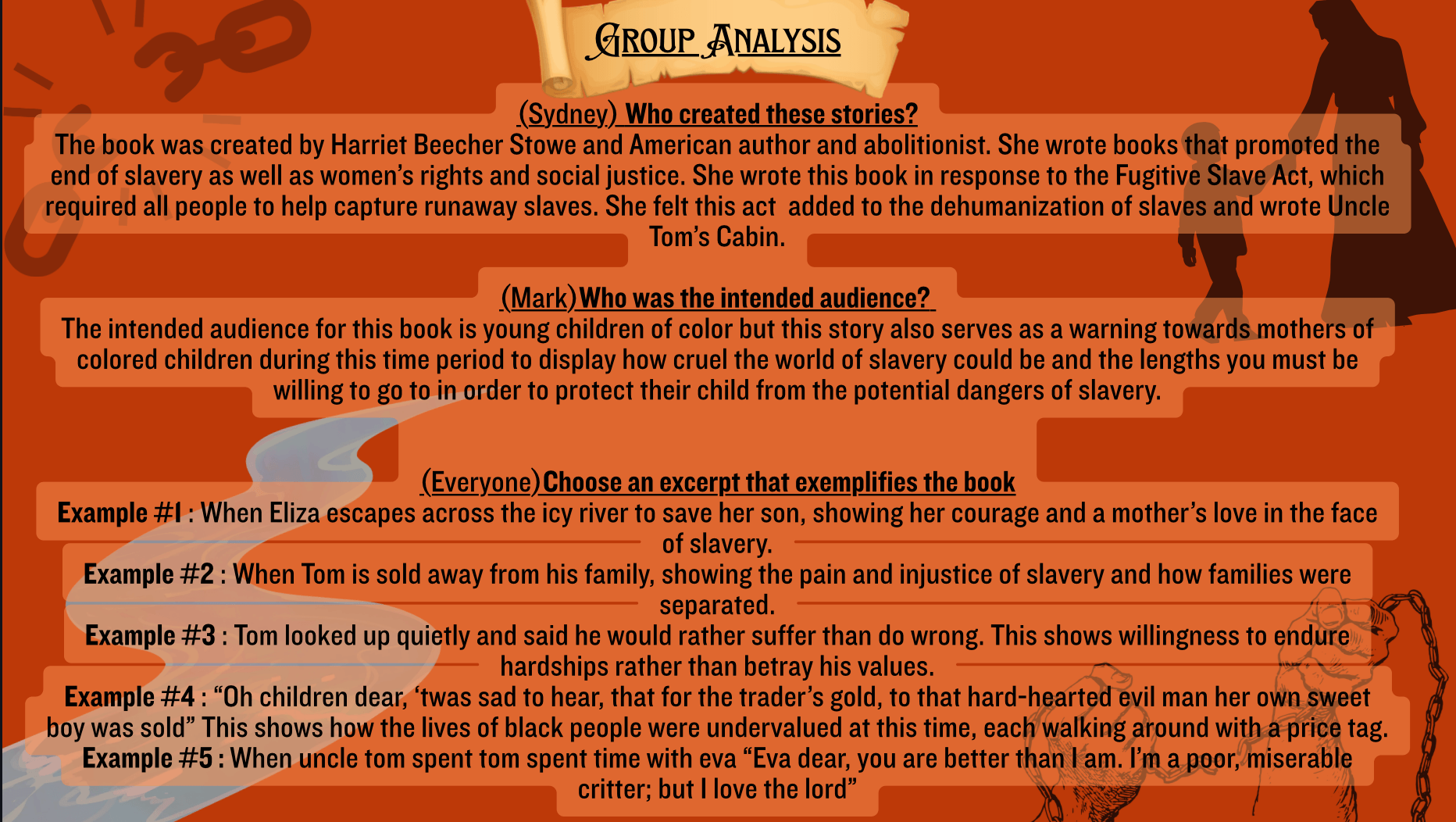
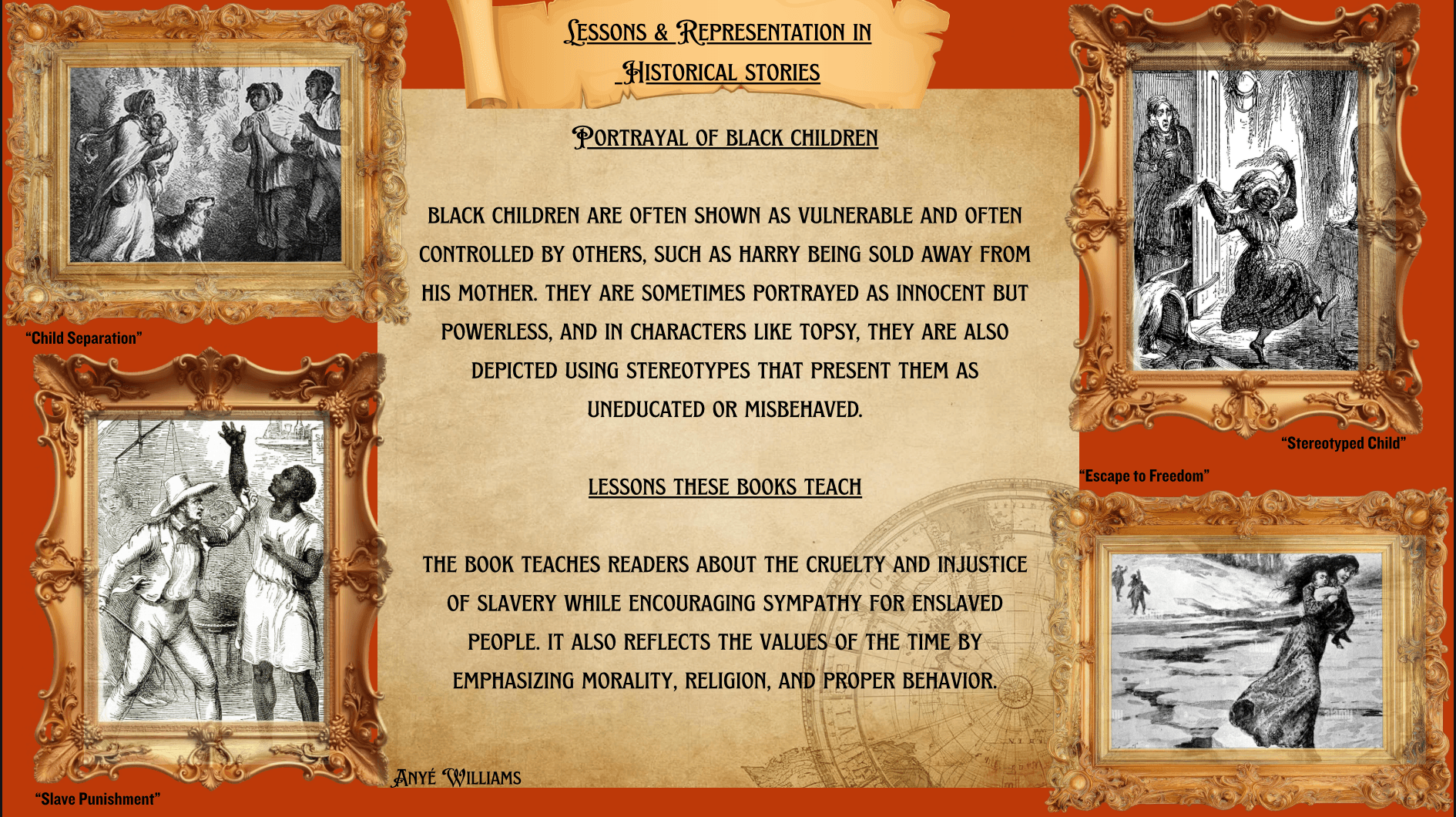
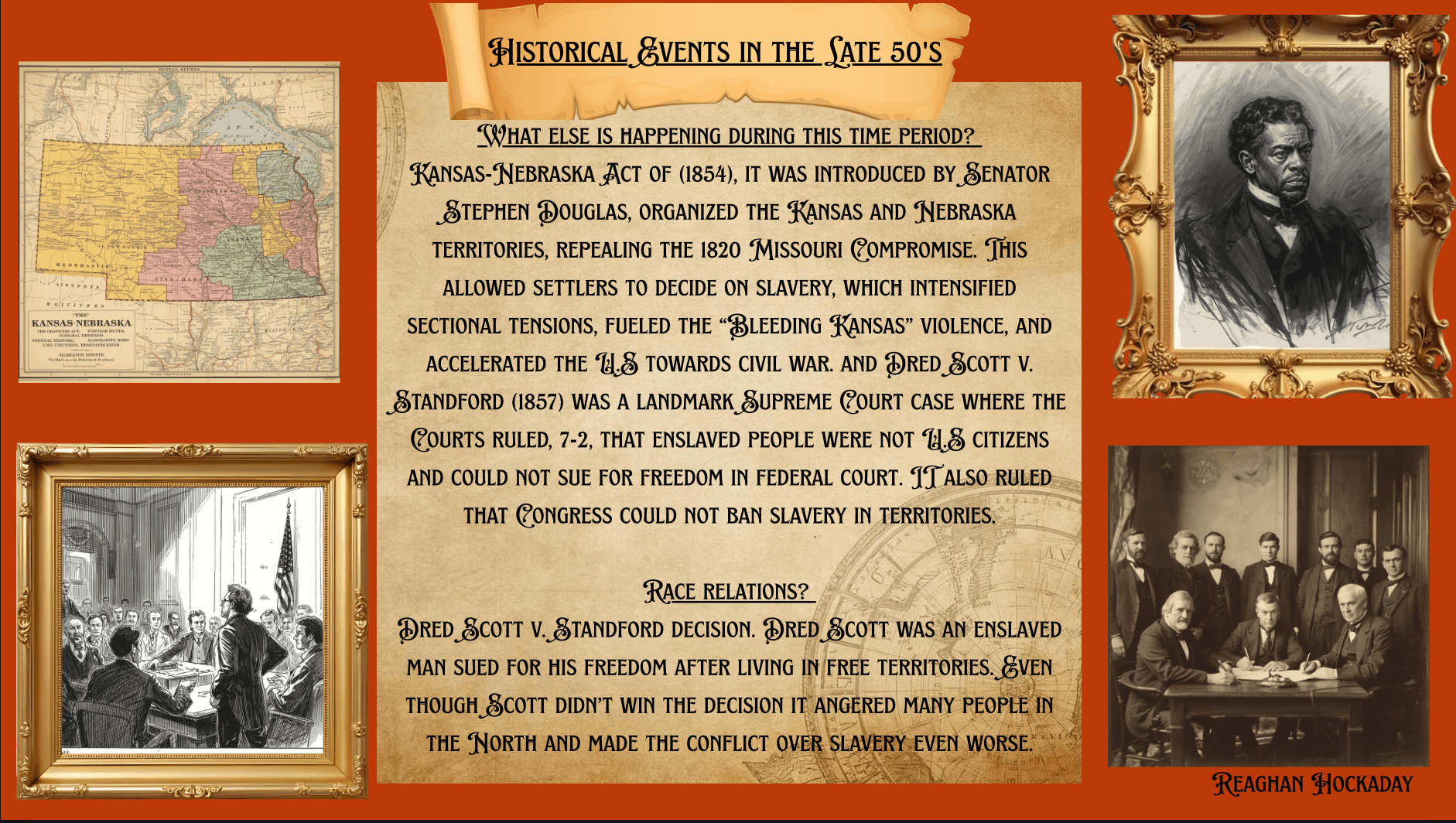
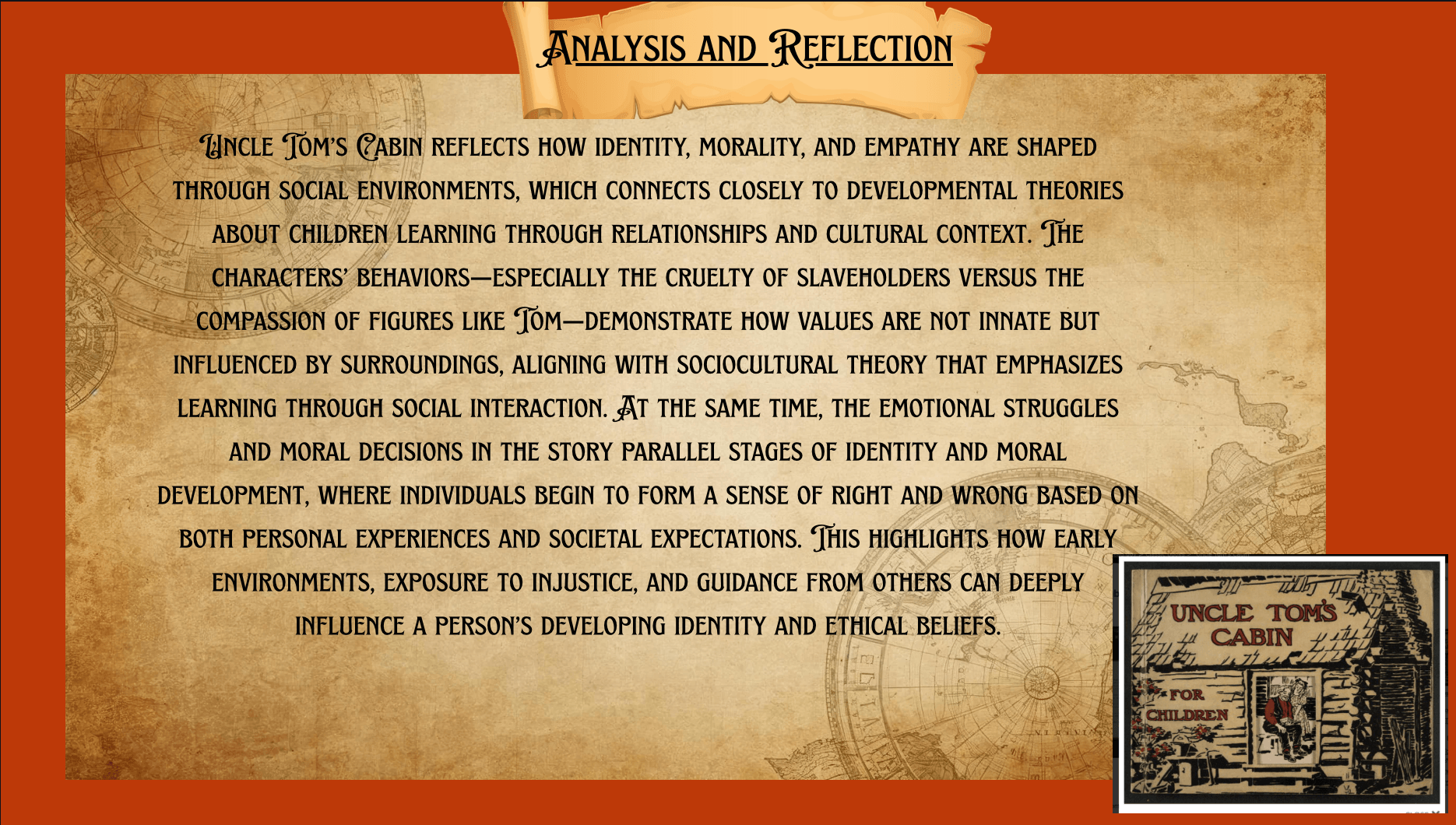
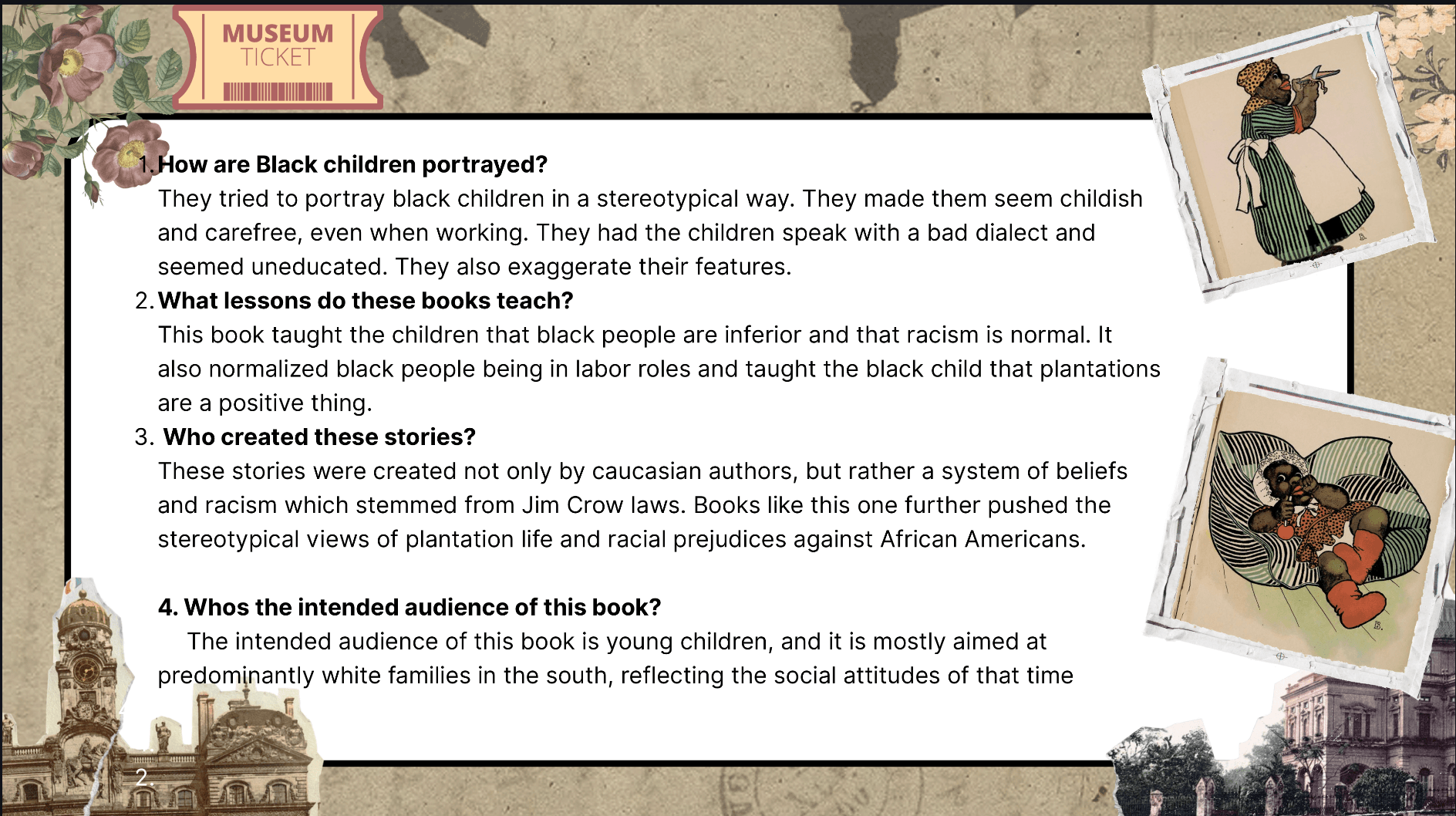
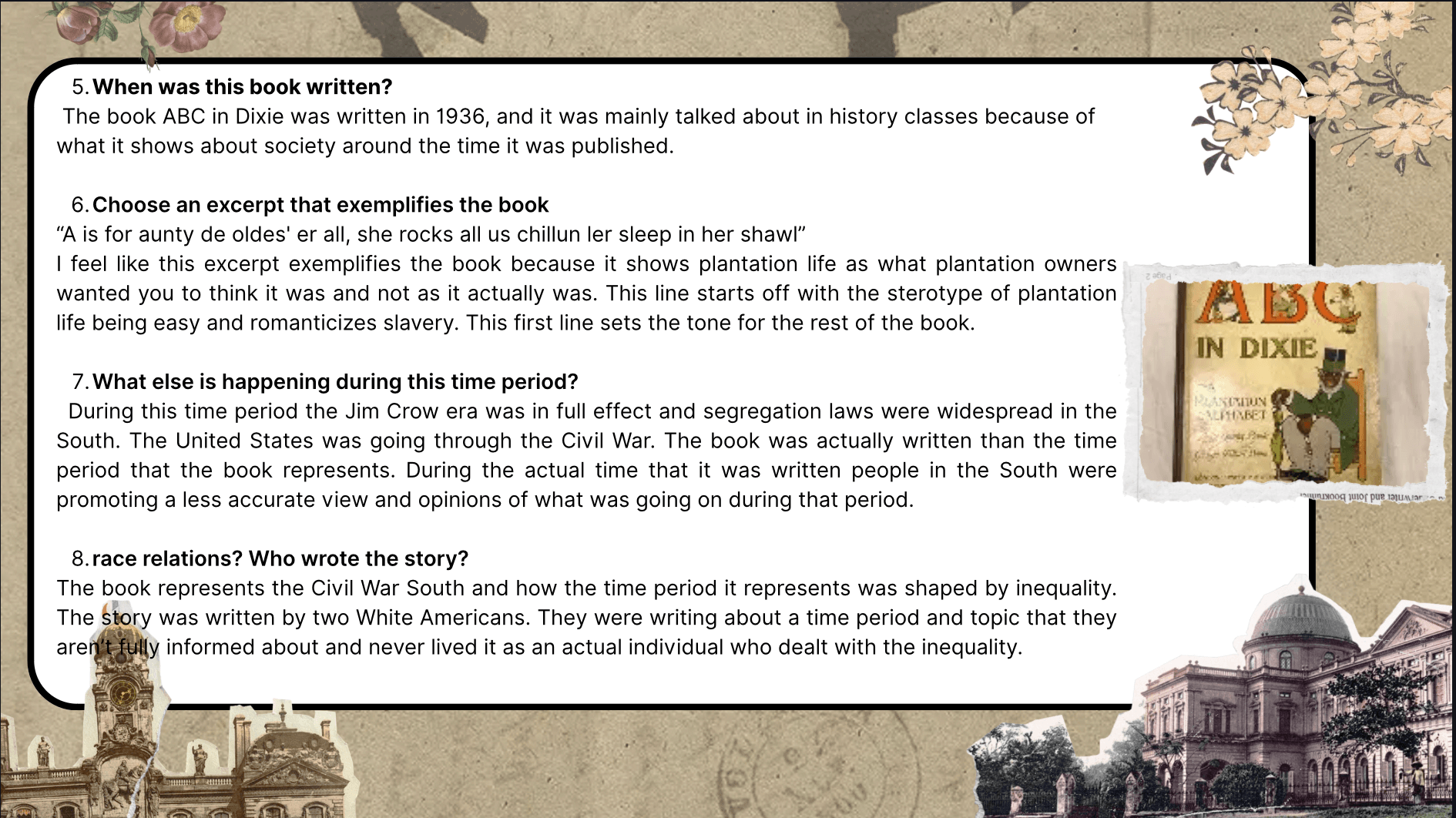
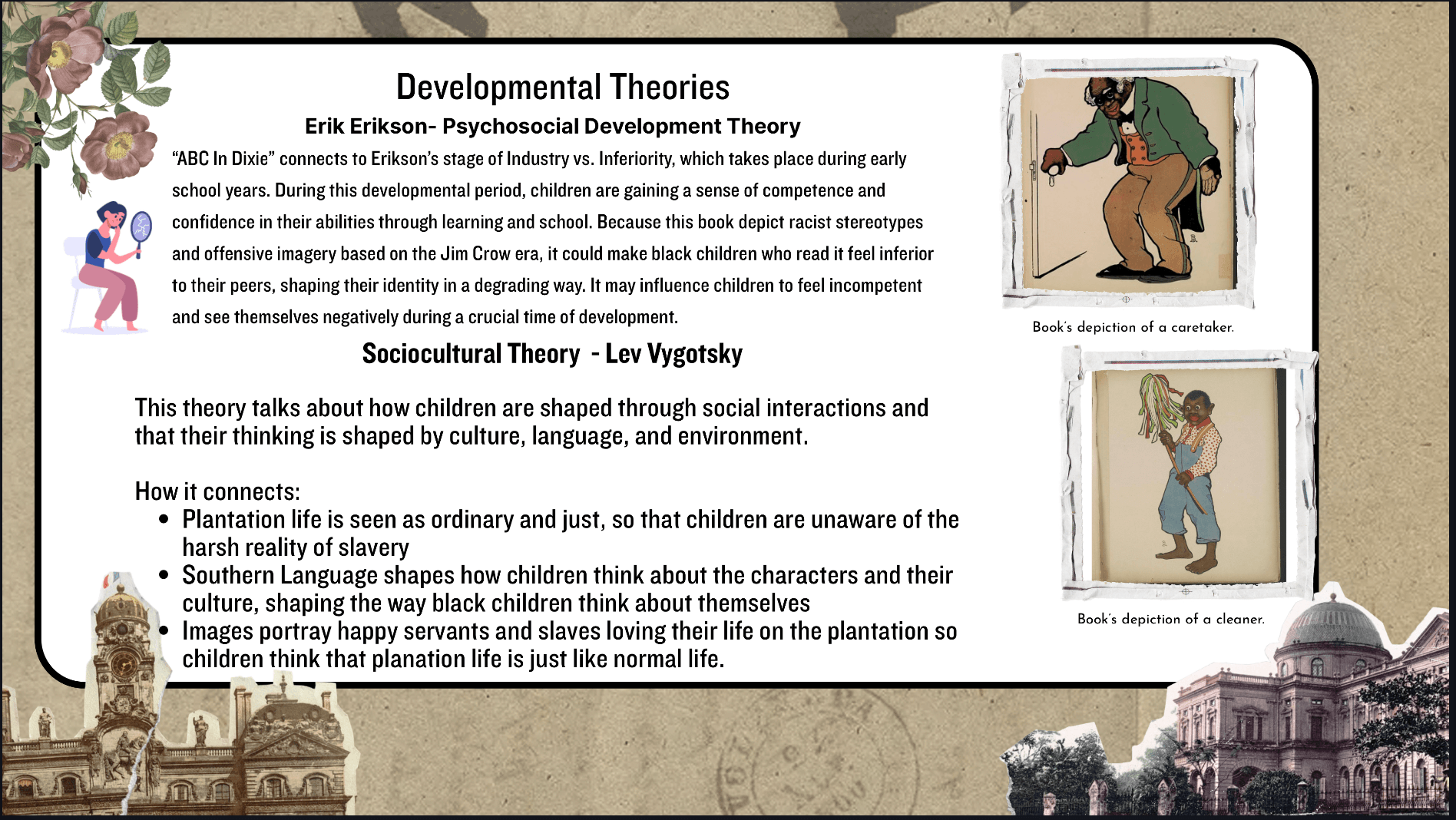
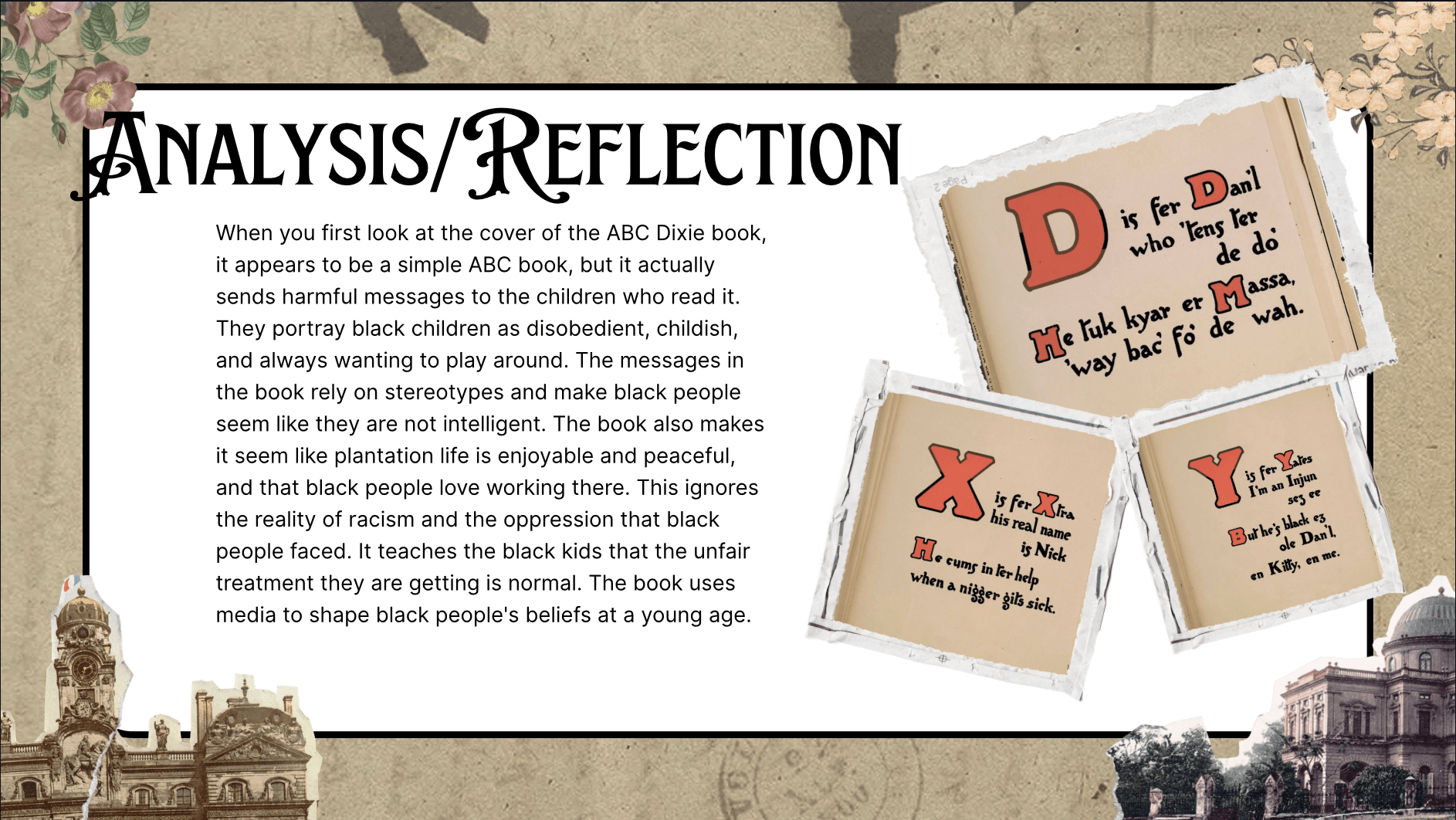
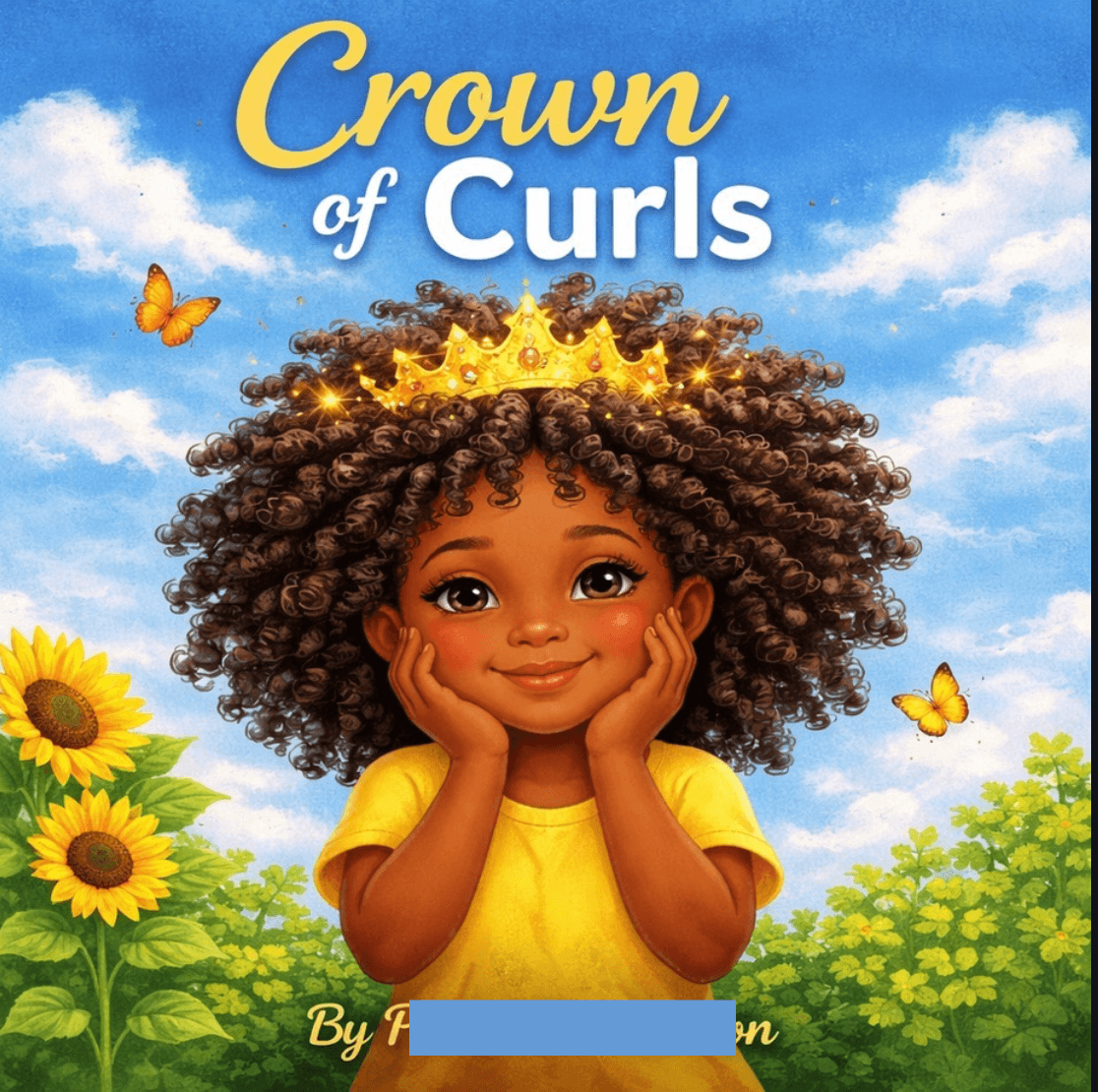
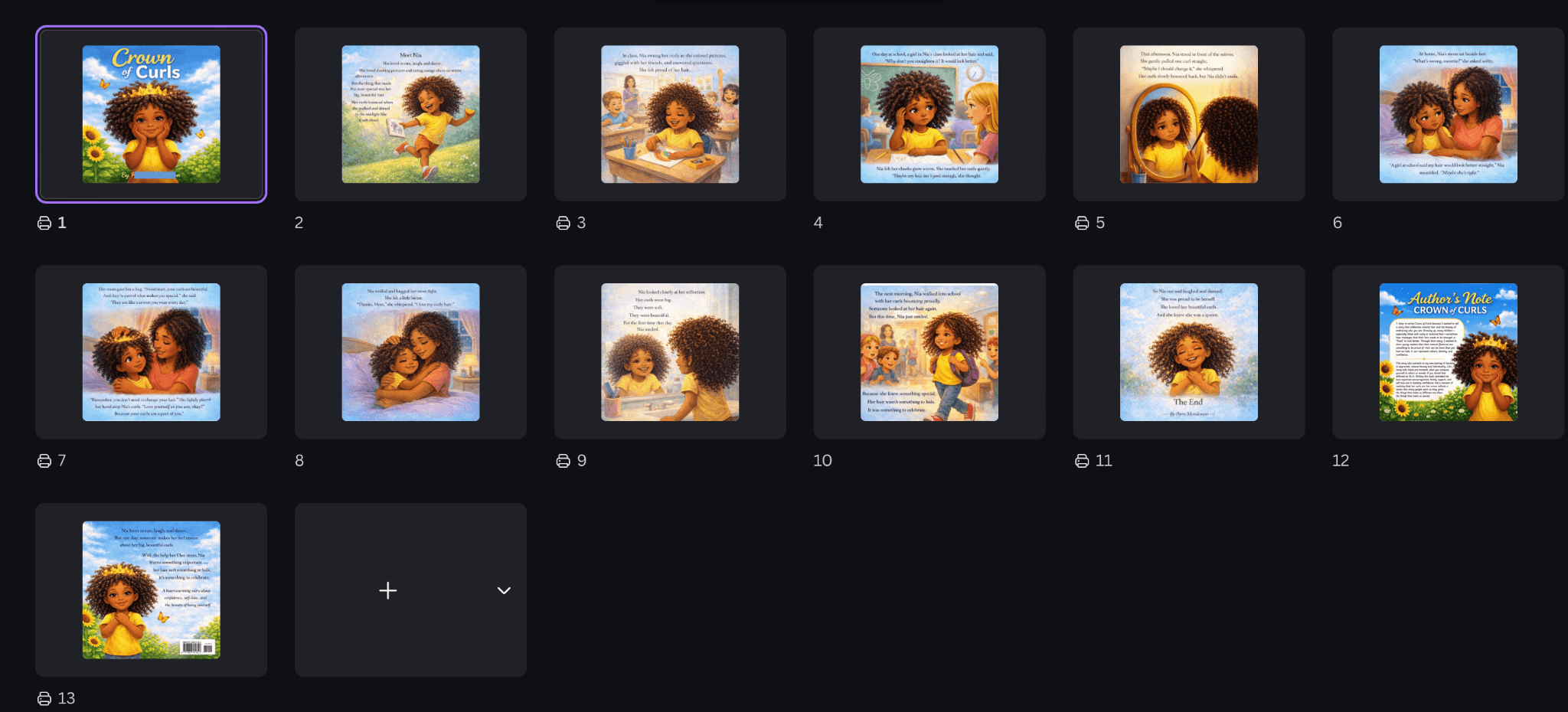
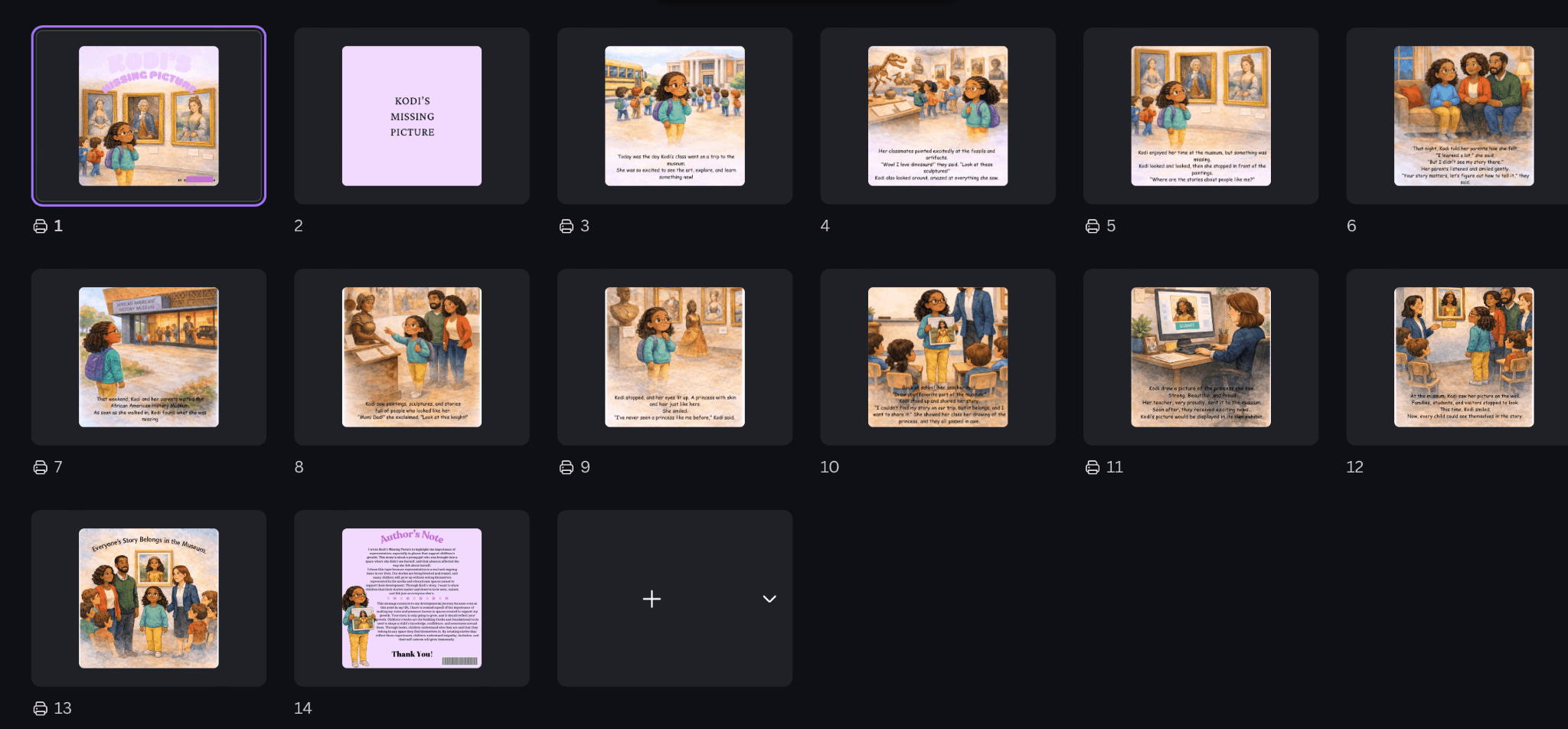
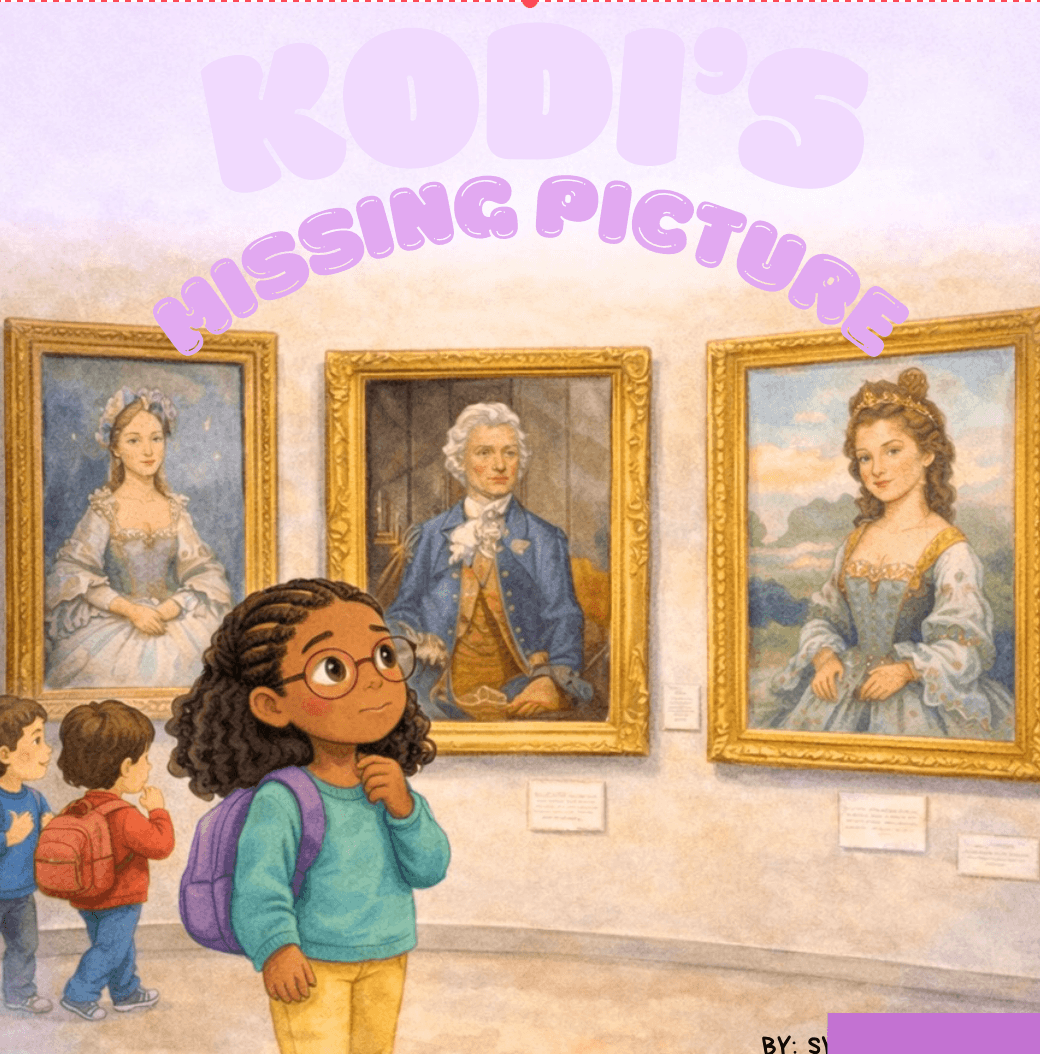
In the larger powerpoint – you will find each of their group reflections on the assigned archival children’s books. The individual assignments are children’s book they were inspired to write from what we learned and discussed.
Lesson Plan
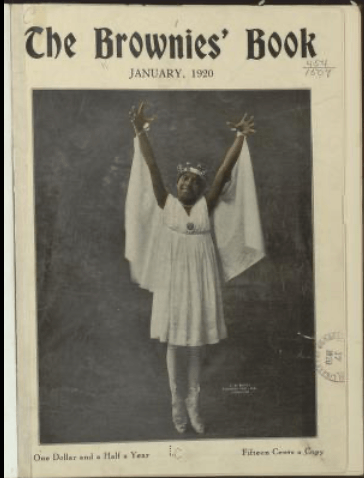
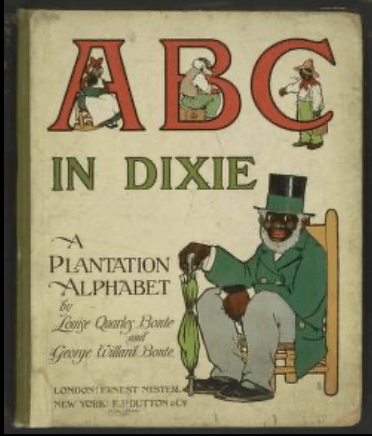
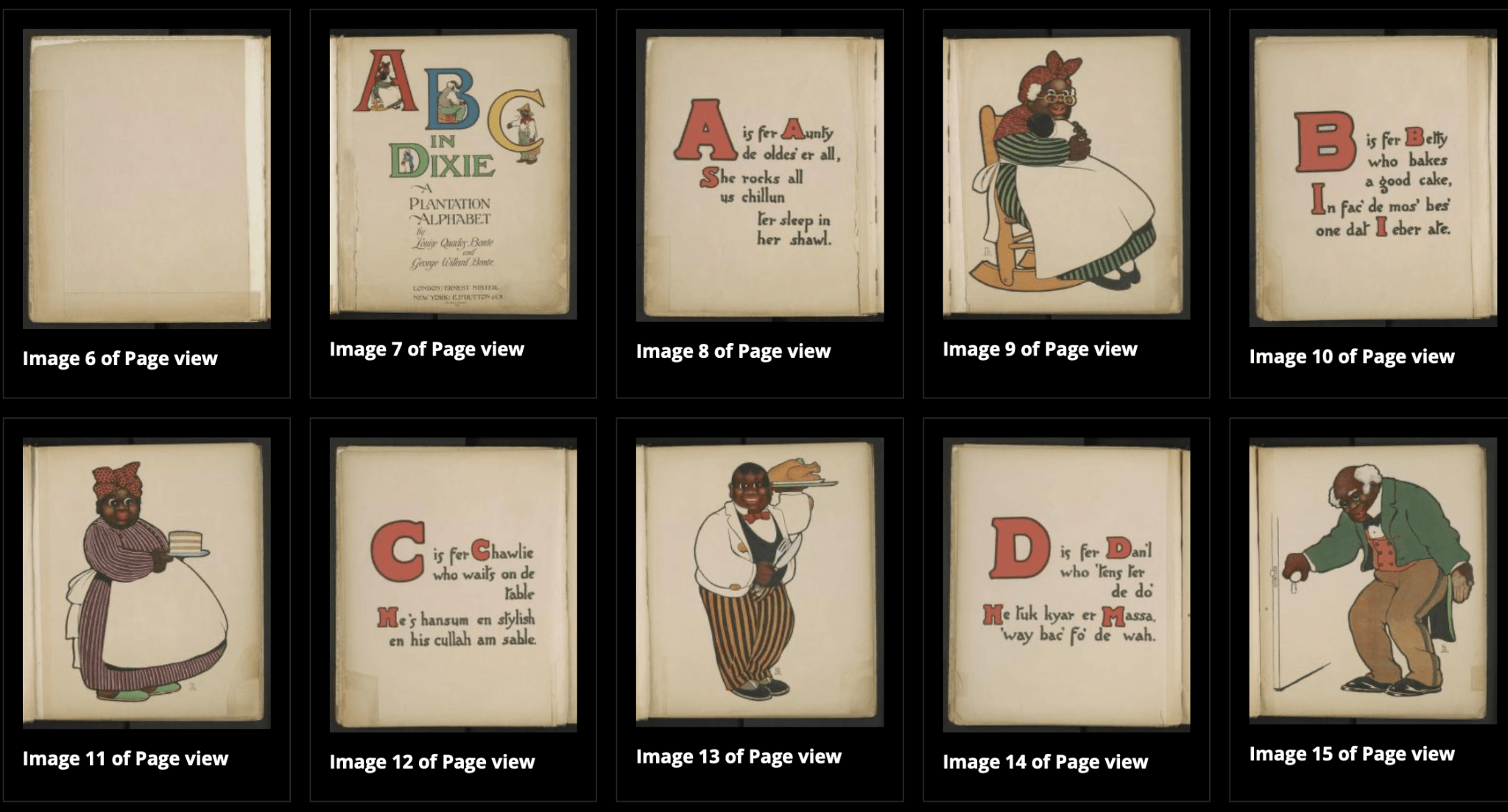
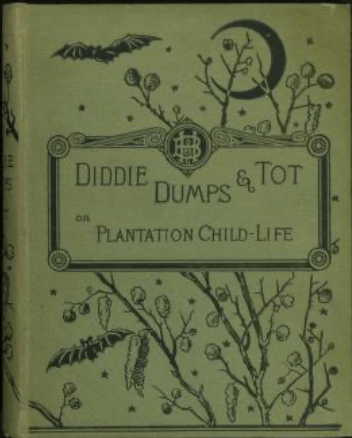
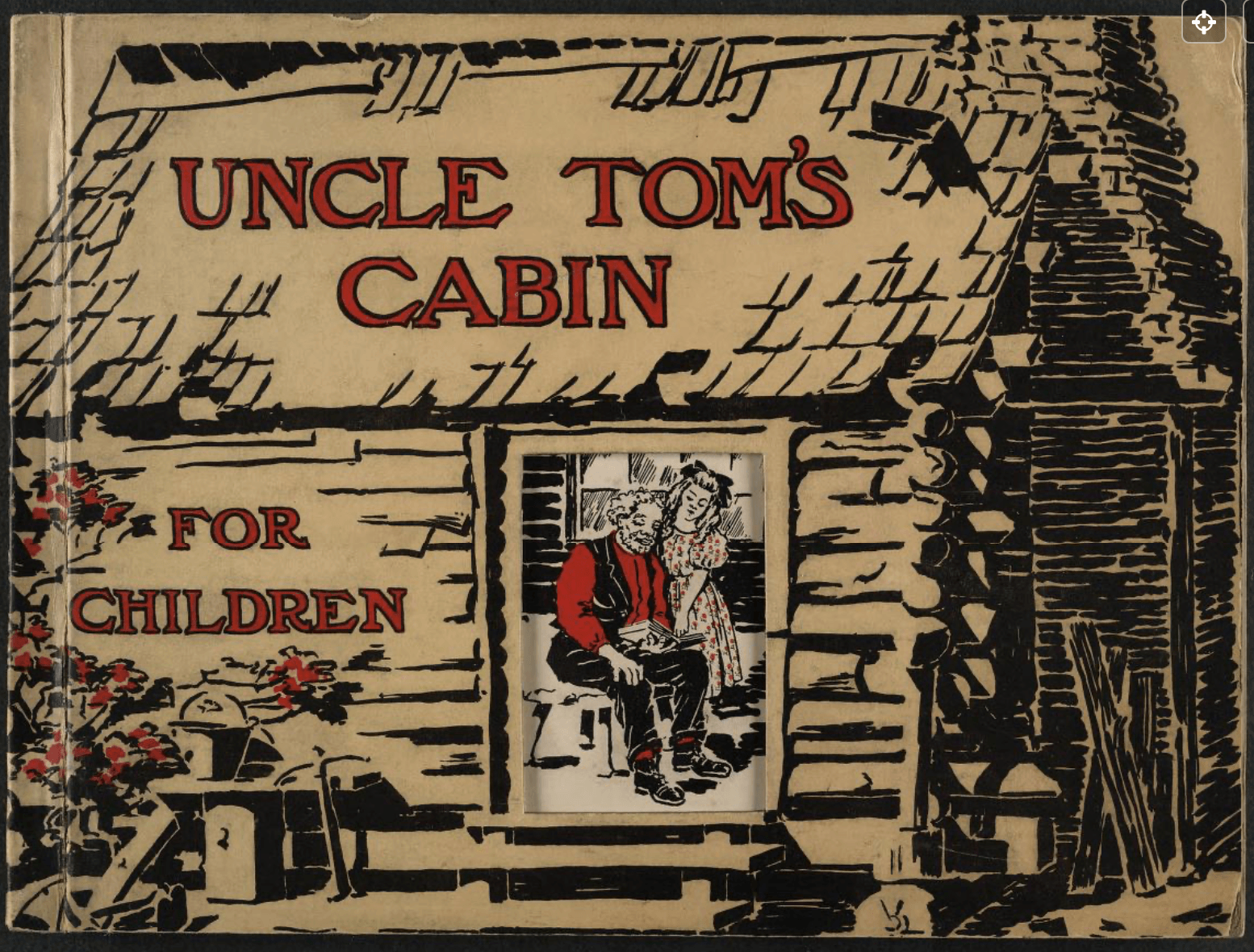
This lesson invites students to examine children’s literature as a powerful archive of how societies have historically understood childhood, race, morality, and identity. Through a guided historical timeline, students are introduced to five archival texts spanning the mid–19th to early 20th centuries: The Child’s Anti-Slavery Book (1859), Uncle Tom’s Picture Book, Diddie, Dumps & Tot (1882), ABC in Dixie, and The Brownies’ Book (1920). Together, these texts illustrate shifting narratives about Black childhood: from abolitionist moral instruction and emotional storytelling about slavery, to plantation-era caricatures and racist socialization, and ultimately to early forms of Black self-representation and cultural pride. By situating the books within their historical contexts, students begin to understand children’s literature not simply as entertainment, but as a tool of socialization that communicates societal values, racial hierarchies, and expectations about childhood development.
After exploring the broader timeline as a class, students select one of the archival texts to analyze in depth through the creation of a “Museum of Black Childhood” exhibit panel. Drawing on developmental frameworks such as Erikson’s identity development, Bronfenbrenner’s ecological systems theory, or Vygotsky’s sociocultural learning theory, students examine how their chosen text may have shaped children’s understandings of themselves and others. The lesson culminates in a reflective exercise that asks students to imagine what a children’s archive might look like if Black communities curated it themselves—considering whose stories, images, and experiences would be preserved and what messages about childhood would be centered. In doing so, students connect historical analysis with contemporary conversations about representation, community knowledge, and the importance of affirming narratives in children’s learning environments.
Library of Congress Resources:
- Archival Children’s Books:
- Brownie Books: https://www.loc.gov/item/22001351/
- ABC in Dixie: A Plantation Lifestyle: https://www.loc.gov/item/2011675824/
- Diddies, Dumps &Tots: or PLantations Childs Life https://www.loc.gov/item/2010367711/
- Uncle Toms Cabin for Children: https://www.loc.gov/item/97181918/
- The Child’s Anti-Slavery Book: https://www.loc.gov/resource/rbc0001.2019gen06642/?sp=10&st=image&r=-1.463,-0.018,3.926,1.891,0
Instruction for Task(s):
LESSON SLIDES (CLICK HERE): https://www.canva.com/design/DAHEHNOEVNM/fZPyjQyLxTWX06b3SnhB-g/edit?utm_content=DAHEHNOEVNM&utm_campaign=designshare&utm_medium=link2&utm_source=sharebutton
Step 1: Introduce the Role of Children’s Literature in Socialization
Begin the lesson by asking students to reflect on what children’s books teach young readers about the world. Facilitate a short discussion about how children’s literature communicates values, expectations about behavior, and ideas about identity and belonging.
Step 2: Present the Historical Timeline
Provide a short lecture or visual presentation introducing the five archival texts and their historical context. Highlight how each book reflects a different cultural narrative about Black childhood and how these narratives evolved over time.
Encourage students to think about how these texts might have shaped children’s beliefs about race, family, and society.
Step 3: Facilitate Guided Discussion
Engage students in a class discussion exploring patterns across the texts. Possible discussion prompts include:
- How are Black children represented in these books?
- What lessons are children expected to learn from these stories?
- How do illustrations, language, and narrative voice influence readers’ perceptions?
Step 4: Introduce Developmental Theory Connections
Explain that students will analyze children’s books through the lens of developmental theory. Briefly review relevant frameworks such as Erikson’s theory of identity development, Bronfenbrenner’s ecological systems theory, or Vygotsky’s sociocultural theory of learning.
Students should consider how narratives and images might influence children’s identity formation and social understanding.
Step 5: Assign the Museum of Black Childhood Project
Students select one archival text from the timeline and create a museum-style exhibit panel interpreting the book as a historical artifact of childhood.
The exhibit should include:
- Title of the exhibit
- Image or excerpt from the text
- Historical context of the book
- Analysis of how childhood and race are represented
- Connection to developmental theory
- Critical interpretation of the book’s broader message
This project encourages students to translate academic analysis into a format similar to a museum display.
Step 6: Conduct a Classroom “Museum Walk”
Students display their exhibit panels around the classroom. Classmates circulate through the exhibits, reviewing each interpretation. This gallery walk allows students to collectively examine how representations of Black childhood vary across texts.
Step 7: Create a Future Artifact for the Archive
As a culminating activity, students create a short children’s book concept that represents the type of story they believe should exist within a community-centered archive of Black childhood.
The goal is to imagine how children’s literature might support healthy identity development, belonging, joy, and cultural affirmation for young readers.